Why a Refrigerator Runs Constantly (Dirty Coils, Airflow Problems, and Thermostat Drift)
Last updated: December 14, 2025
Refrigerator runs constantly complaints are usually caused by poor heat release, restricted airflow, or temperature control drift—not an immediate compressor failure. In many homes, the fridge is simply working harder than necessary because it cannot shed heat efficiently.
Fast answer: If your refrigerator never seems to shut off, start by checking condenser coils, airflow around vents, and door seals before assuming a major repair.
Table of Contents
- 1) Common Signs of Constant Running
- 2) Why Refrigerators Run All the Time
- 3) Step-by-Step Fix Protocol
- 4) Real Search Scenarios Explained
- 5) FAQ
- 6) Safety Disclaimer
- 7) References
1) Common Signs a Refrigerator Runs Constantly
- Compressor seems to run all day with few pauses
- Refrigerator feels warm on the outside
- Food stays cold but energy usage spikes
- Unit becomes noisy during extended operation
2) Why Refrigerators Run All the Time
Across brands like LG, Samsung, Whirlpool, GE, and Bosch, constant running usually traces back to a few predictable factors:
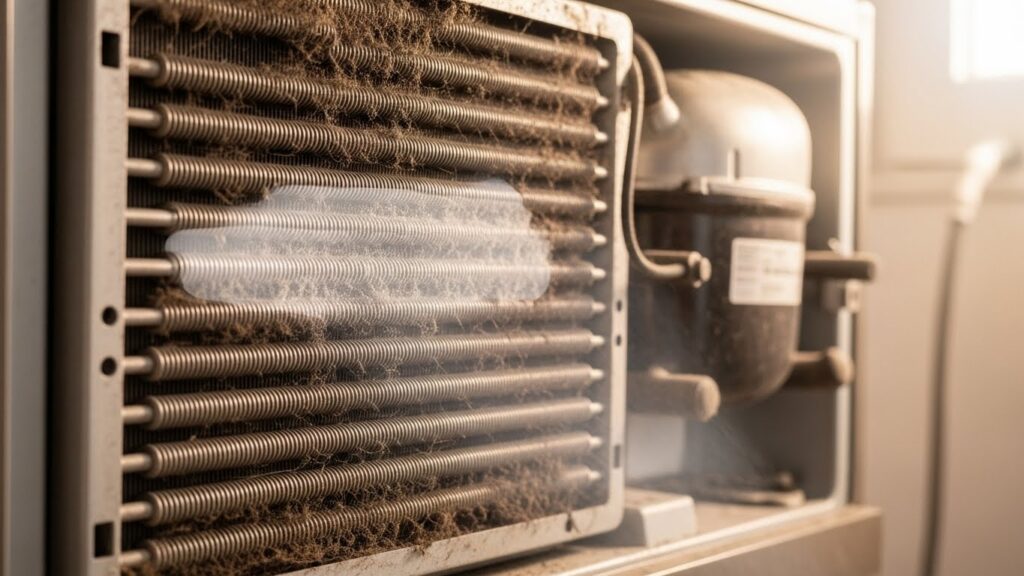
- Dirty condenser coils reducing heat release
- Poor airflow around interior vents or behind the unit
- Door gasket leaks letting warm air in
- Thermostat or temperature sensor drift
- High ambient room temperature
Important: A refrigerator can still cool properly while running excessively—this is often a warning sign, not normal behavior.
3) Step-by-Step Fix Protocol (High-Probability First)
Safety note: Unplug the refrigerator before cleaning coils or accessing panels. Allow components to cool before touching.
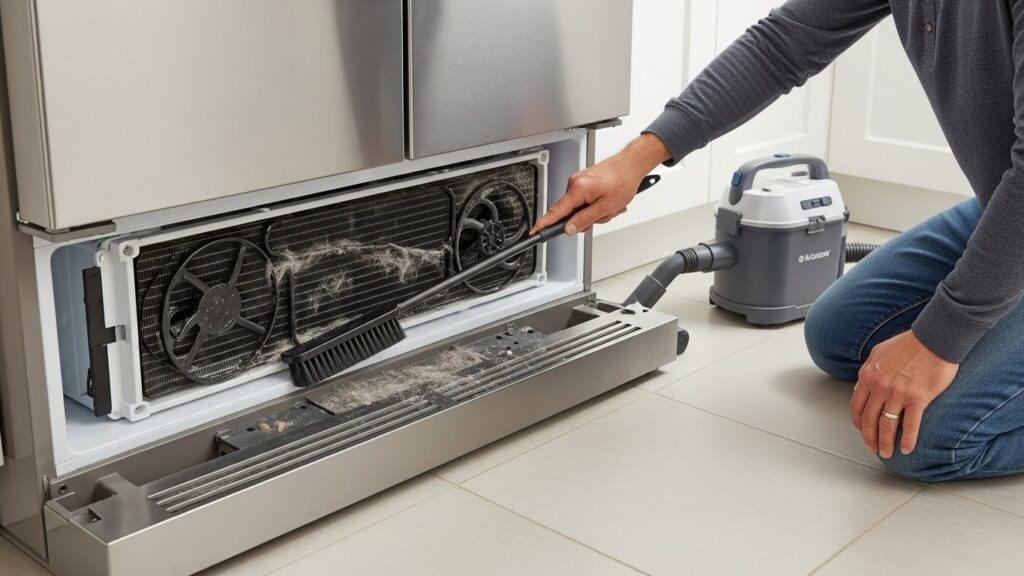
Step 1 — Clean the condenser coils
Dirty coils are the most common reason a refrigerator runs constantly. Dust and pet hair act like insulation, trapping heat.
- Locate coils behind the toe-kick or at the back
- Use a coil brush or vacuum attachment
- Restore airflow around the unit
Step 2 — Improve airflow around vents
Blocked interior vents prevent cold air circulation, forcing longer run times. Avoid overpacking food against vent openings.
Step 3 — Inspect door gaskets
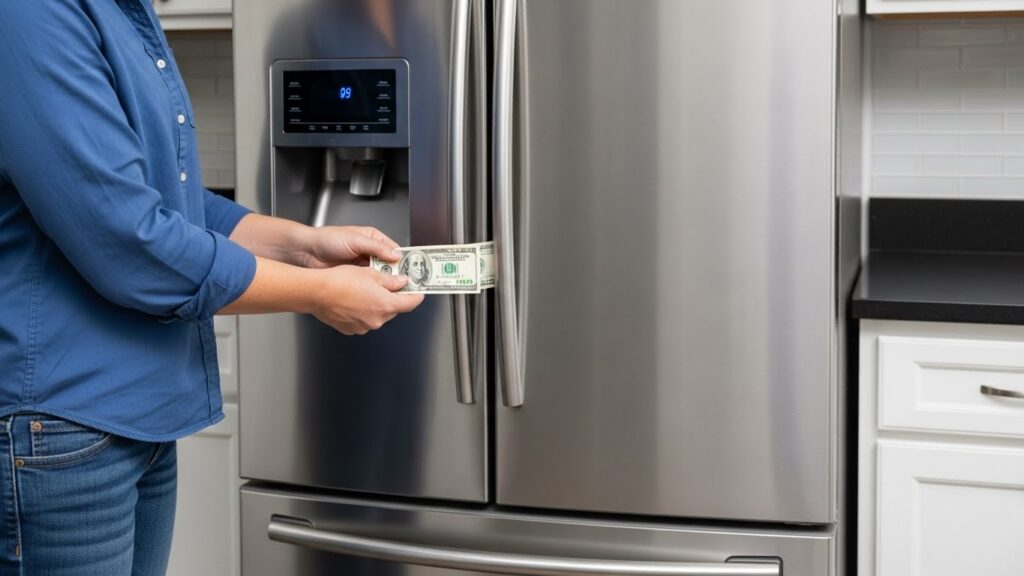
Weak door seals allow warm air to enter, triggering frequent cooling cycles. Clean gaskets and test sealing with a thin strip of paper.
Step 4 — Review temperature settings
Extremely cold settings force continuous operation. Adjust to recommended ranges and allow time for stabilization.
Step 5 — Monitor over 24 hours
After airflow and coil maintenance, give the refrigerator a full day to normalize cycling behavior.
4) Real Search Scenarios Explained
“Refrigerator runs constantly but is cold”
This usually indicates heat release or airflow problems rather than cooling failure.
“Fridge compressor never shuts off”
Often caused by dirty coils, warm room conditions, or door seal leaks.
“New refrigerator runs all the time”
New units may run longer initially, but constant operation beyond the first days suggests airflow or settings issues.
5) FAQ
Is it normal for a refrigerator to run constantly?
No. While modern refrigerators run frequently, nonstop operation usually signals airflow or maintenance issues.
Does constant running increase energy costs?
Yes. Extended compressor run times directly increase electricity usage.
Can dirty coils really cause nonstop running?
Yes. Dirty coils prevent efficient heat release, forcing longer cooling cycles.
How long should I wait after cleaning coils?
Allow at least 12–24 hours to evaluate whether cycling behavior improves.
When should I call a technician?
If constant running continues after coil cleaning, gasket checks, and airflow adjustments, professional diagnosis is recommended.
6) Safety Disclaimer
This guide is for general informational purposes only. If you are not comfortable working with electrical appliances or moving heavy equipment, contact a qualified technician. Always unplug the unit before maintenance.
7) References
- Energy.gov — Refrigerator efficiency basics
- Consumer Reports — Refrigerator maintenance and performance
- Whirlpool — How to clean refrigerator coils
Related Guides on This Site
- Refrigerator Water Leaking on Floor: Drain and Gasket Issues
- Ice Maker Not Working: Water Line, Filter, and Temperature Checks
- Freezer Not Freezing Enough: Airflow and Frost Build-Up Fix

I publish step-by-step troubleshooting guides for common home appliance issues (washer, dryer, refrigerator, HVAC basics).
Content is written for everyday homeowners and cross-checked with manufacturer manuals, safety guidance, and trusted public resources.
Posts include practical checks, clear stop-signs for safety, and guidance on when it’s better to call a qualified technician. Updates are logged whenever steps or recommendations change.
Safety note: If you smell gas, see burning, or suspect electrical hazards—stop immediately and contact a qualified professional.