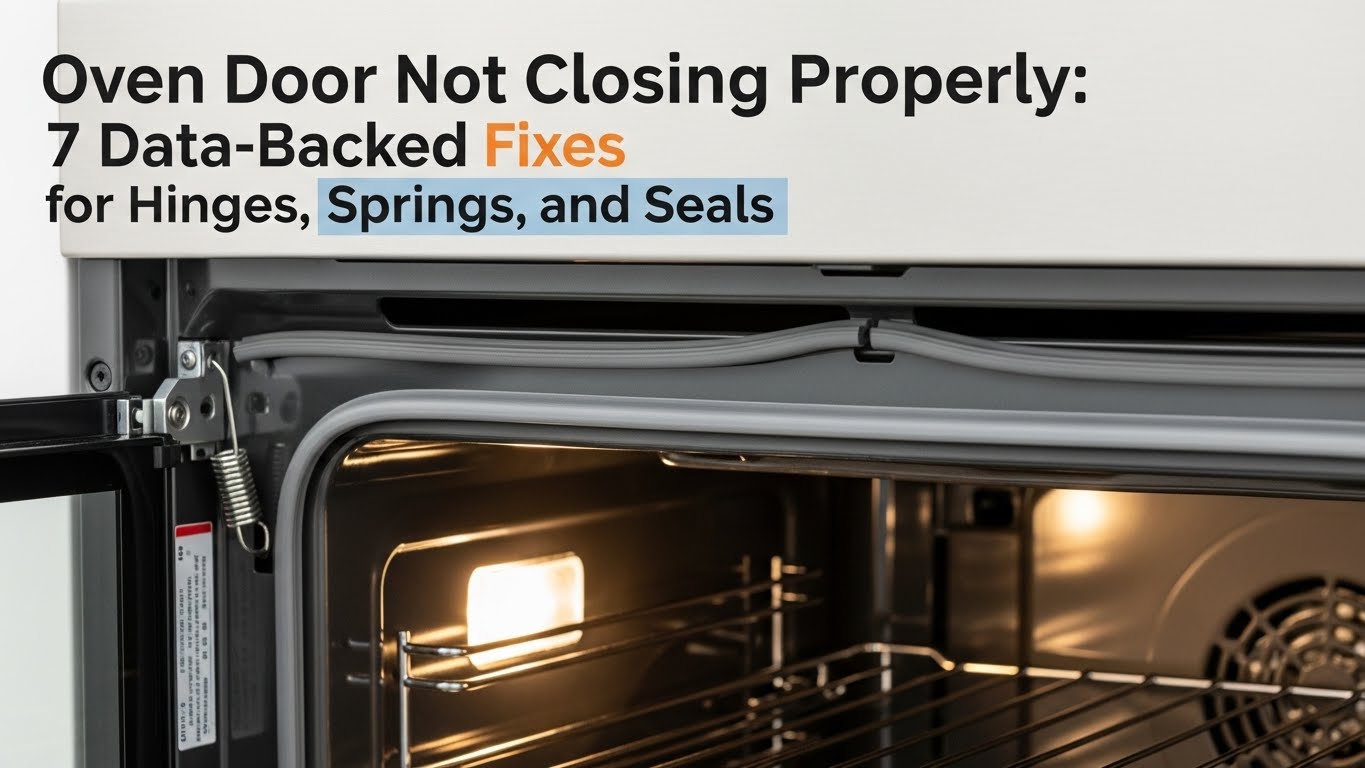
Why is my oven door not closing properly?
An oven door usually won’t close properly because of worn hinge springs, misaligned hinges, damaged door seals, or food debris preventing full contact. In many cases, heat loss occurs even when the door looks almost closed. Detailed step-by-step fixes with photos are explained below.
Safety First: Turn off the oven and allow it to cool completely before inspection. For electric ovens, unplug the unit or shut off power at the breaker to prevent electrical shock.
Tools Needed
| Tool | Purpose |
|---|---|
| Screwdriver (Phillips/Flat) | Removing hinge covers or door screws |
| Soft cloth | Cleaning door seals and contact surfaces |
| Flashlight | Inspecting hinges and gasket alignment |
Why Oven Door Not Closing Properly Causes Heat Loss and Cooking Problems
Last updated: December 27, 2025
Oven door not closing properly problems allow heat to escape, forcing heating elements to work longer and causing uneven cooking. Service manuals consistently identify hinge wear and door seal damage as the most common root causes.
Quick answer: If the oven struggles to maintain temperature, check hinges and seals before assuming a thermostat or heating element failure.
Table of Contents
- 1) Common Symptoms
- 2) What the Data and Manuals Show
- 3) Step-by-Step Fix Protocol
- 4) Real Search Scenarios Explained
- 5) FAQ
- 6) How This Guide Was Prepared
- 7) Important Safety Notice
- 8) References
1) Common Signs an Oven Door Is Not Closing Properly
- Door springs back instead of staying closed
- Visible gap along the door edge
- Excessive heat escaping from the front
- Longer preheat times and uneven baking
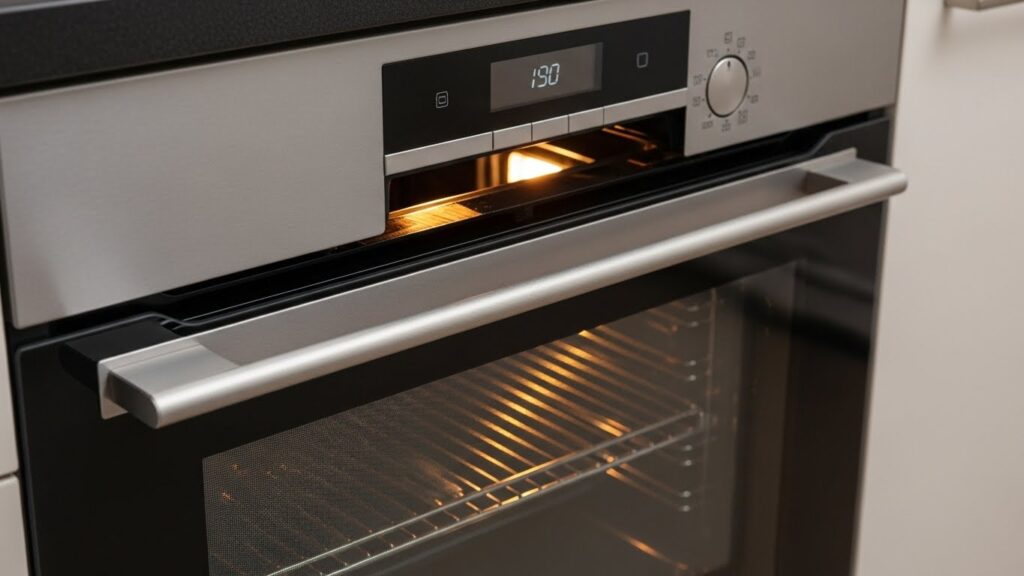
2) What the Data and Manufacturer Manuals Show
Across GE, Whirlpool, Samsung, LG, and Bosch oven documentation, these patterns appear consistently:
- Normal door seal compression: Gaskets should fully contact the frame with no visible gaps.
- Hinge lifespan: Door hinges and springs often show wear after several years of regular use.
- Temperature impact: Poor door sealing can reduce internal temperature stability, affecting cooking accuracy.
Why this matters: Heat escaping from the door forces heating elements to cycle longer, increasing energy use.
3) Step-by-Step Fix Protocol (Manual-Based Order)
Step 1 — Inspect and clean the door seal
Food debris or hardened grease can prevent proper sealing. Wipe the gasket and frame thoroughly with a soft cloth.
Step 2 — Check hinge alignment
Open the door fully and verify both hinges move smoothly and evenly. Bent or loose hinges often cause misalignment.
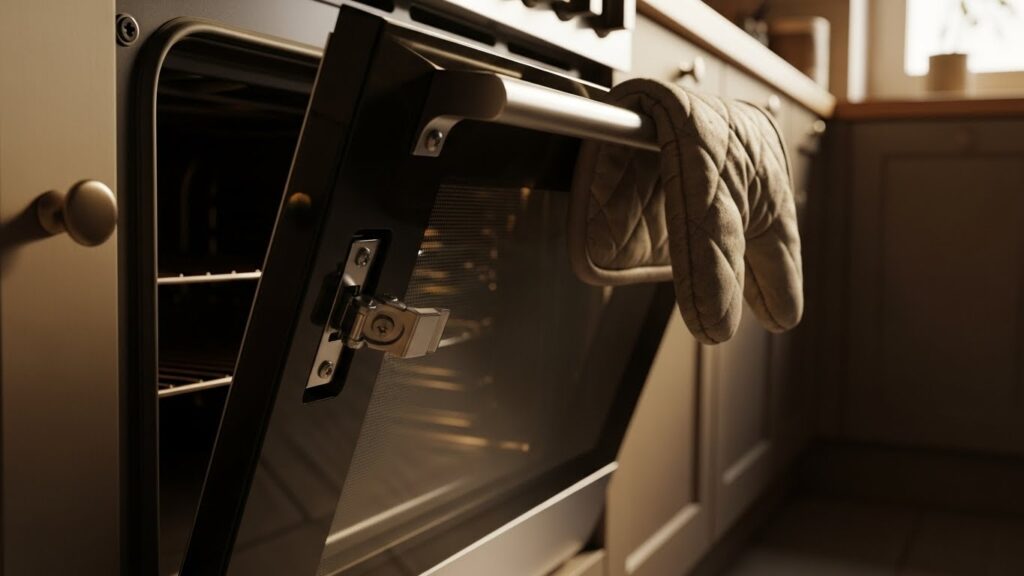
Step 3 — Test door spring tension
If the door feels loose or drops quickly, internal hinge springs may be worn. Replacement is often required.
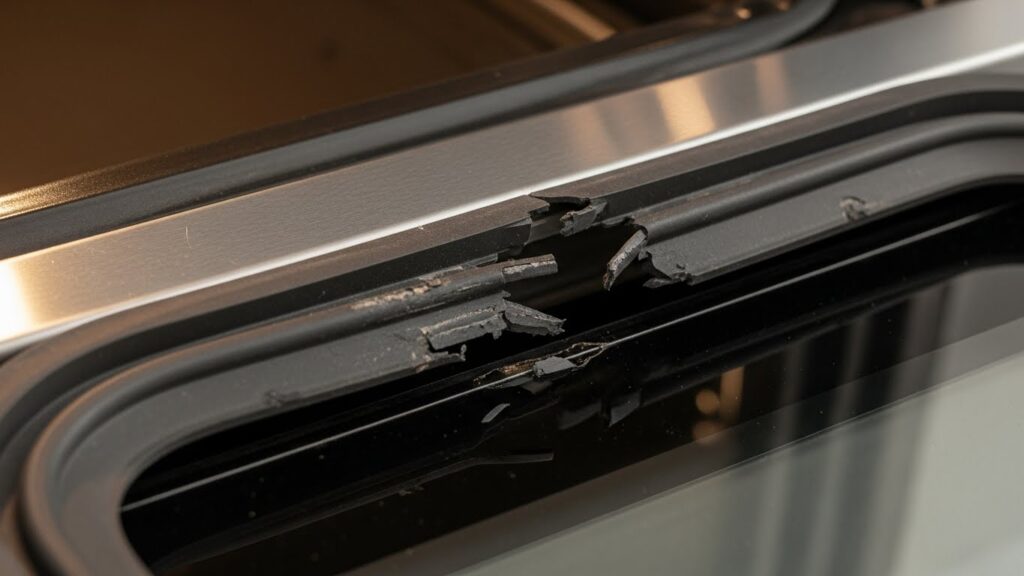
Step 4 — Reseat or replace the door gasket
Loose or brittle seals should be repositioned or replaced to restore full contact.
Step 5 — Reinstall and test closure
After adjustments, close the door slowly and confirm it stays fully shut without pressure.
4) Real Search Scenarios Explained
“Oven door won’t stay closed”
Typically caused by worn hinge springs.
“Oven loses heat through door”
Most often linked to damaged or misaligned door seals.
“Oven door crooked after cleaning”
Hinges may have been bumped out of alignment.
5) FAQ
Is it safe to use an oven with a door that won’t close?
No. Heat loss can cause uneven cooking and increase burn risk.
Can a loose gasket really affect temperature?
Yes. Even small leaks reduce temperature stability.
How often should door seals be checked?
At least once per year or whenever cooking performance changes.
Do hinge repairs require a technician?
Minor alignment can be DIY, but spring replacement is often best handled professionally.
6) How This Guide Was Prepared
This guide is based on common failure patterns documented in manufacturer service manuals, combined with practical troubleshooting steps used by appliance technicians. The content has been reviewed against official documentation from major appliance brands.
7) Important Safety & Information Notice
This article is provided for general informational purposes only. Appliance repairs involve mechanical and electrical components that may pose safety risks if handled improperly. If you are not comfortable performing these checks, contact a qualified appliance technician. Always follow manufacturer safety instructions.
8) References
Related Guides on This Site

I publish step-by-step troubleshooting guides for common home appliance issues (washer, dryer, refrigerator, HVAC basics).
Content is written for everyday homeowners and cross-checked with manufacturer manuals, safety guidance, and trusted public resources.
Posts include practical checks, clear stop-signs for safety, and guidance on when it’s better to call a qualified technician. Updates are logged whenever steps or recommendations change.
Safety note: If you smell gas, see burning, or suspect electrical hazards—stop immediately and contact a qualified professional.