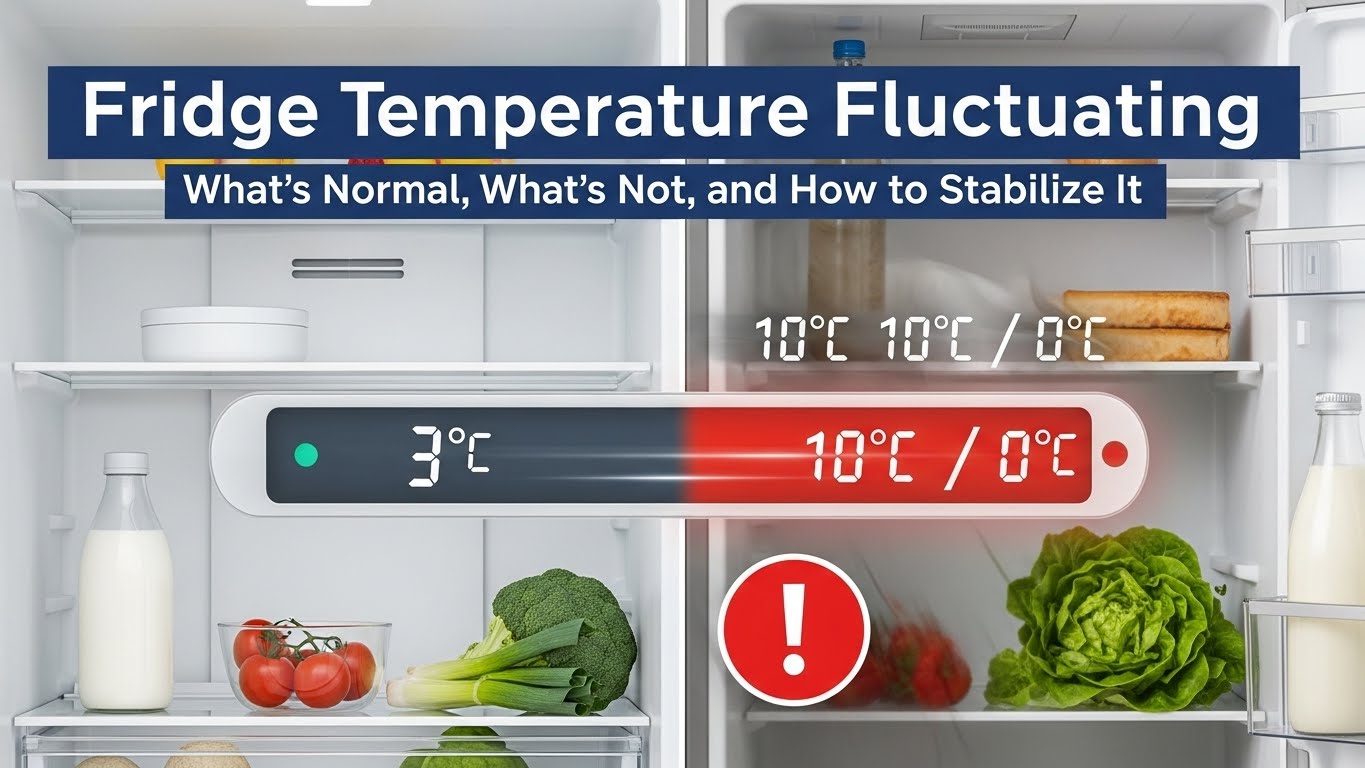
Why is my fridge temperature fluctuating?
Refrigerator temperature fluctuations are typically caused by airflow blockages or mechanical efficiency loss. To stabilize your fridge, follow these 5 steps:
- Perform the “Water Cup Test”: Measure liquid temperature for real accuracy (Thermal Mass).
- Clear the Vents: Ensure 2 inches of space around all interior air vents.
- Clean Condenser Coils: Dust buildup forces the compressor into erratic cycles.
- Inspect the Gasket: Replace worn door seals to stop warm air intrusion.
- Check the Ambient Temp: Ensure the room temperature isn’t fluctuating wildly.
Step-by-step checks with photos are explained below.
⚠️ Safety First: Unplug the refrigerator or switch off power at the breaker before cleaning coils or removing interior covers. Avoid contact with moving fans and sharp metal edges.
Tools Needed
| Tool | Purpose |
|---|---|
| Refrigerator thermometer | Tracking real temperature swings |
| Flashlight | Checking vents and airflow paths |
| Vacuum + brush | Cleaning condenser coils |
How Fridge Temperature Fluctuating Impacts Food Safety
Last updated: December 31, 2025
Fridge temperature fluctuating is one of the most misunderstood refrigerator issues. Modern refrigerators do not hold a perfectly flat temperature line. They cycle cooling on and off, which creates normal variation. Problems start when swings are large, frequent, or unpredictable. According to food safety research, once the internal temperature crosses the 40°F (4°C) mark, bacterial growth accelerates rapidly.
Food safety benchmark: Most guidance recommends keeping refrigerators near 37°F (3°C), with short-term swings of a few degrees considered normal.
Table of Contents
- 1) What Temperature Changes Are Normal?
- 2) Common Causes of Temperature Fluctuations
- 3) Step-by-Step Stabilization Protocol
- 4) How to Keep Temperatures Stable Long-Term
- 5) FAQ
- 6) How This Guide Was Prepared
- 7) Important Safety Notice
- 8) References
1) What Temperature Changes Are Normal?
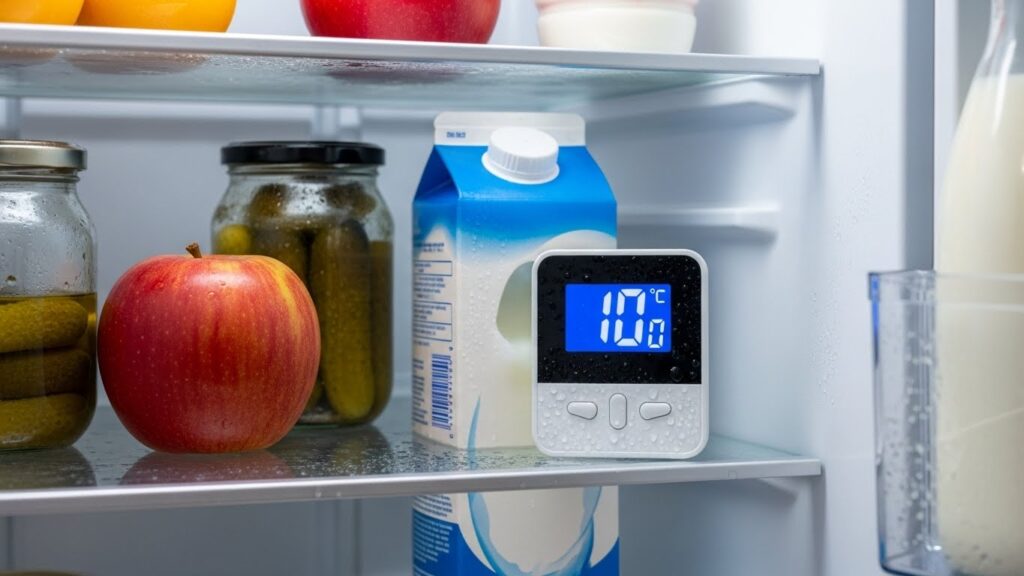
Most refrigerators fluctuate slightly as the compressor cycles. Brief increases happen after door openings or loading warm groceries. According to manufacturer guidance, short swings of 2–4°F are typical. Technician Insight: Every time you open the door for 1 minute, the air inside can warm up by 10-15°F, requiring the fridge to work for nearly 30 minutes to stabilize back to the set point.
2) Common Causes of Fridge Temperature Fluctuating
- Frequent door openings: Warm air rushes in and triggers longer cooling cycles.
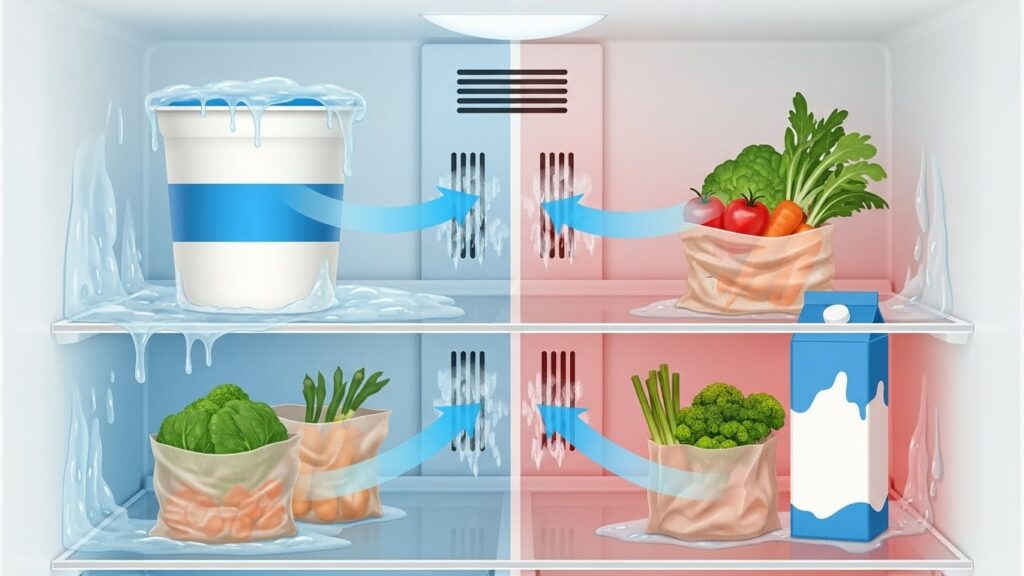
- Blocked vents: Items pushed against vents disrupt cold air distribution.
- Dirty condenser coils: Heat cannot escape efficiently.
- Overloading: Dense packing slows airflow.
- Ambient Environment: Placing a fridge next to an oven or in a direct sunlit spot increases compressor stress.
Why this matters: Repeated wide swings can shorten food shelf life even if the average temperature seems fine.
3) Step-by-Step Stabilization Protocol
Step 1 — Measure “Thermal Mass” (The Water Test)
Don’t just measure the air. Place a glass of water in the center shelf and put your thermometer inside it. Air temperature changes instantly when you open the door; liquid temperature reflects what is actually happening to your food. Ignore brief spikes; focus on repeated liquid highs above 40°F (4°C).
Step 2 — Clear airflow paths (The 2-Inch Rule)
Keep items at least 2 inches away from all vents and the back wall. This allows the Evaporator Fan to move air across all shelves uniformly.
Step 3 — Clean condenser coils
Unplug the fridge and vacuum dust from coils underneath or behind the unit. Expert Tip: If you have pets, clean these coils every 6 months, as hair buildup is the #1 cause of compressor cycling issues.
Step 4 — Check door seals (The Light Test)
Use the paper test around the gasket. Alternatively, at night, place a bright flashlight inside the fridge, close the door, and look for light escaping. If you see light, cold air is escaping.
Stop point: If temperatures still swing widely after airflow and cleaning checks, internal sensors (Thermistors) or control boards may need professional diagnosis.

4) How to Keep Temperatures Stable Long-Term
- Limit prolonged door openings
- Allow hot food to cool before loading
- Maintain a “Medium” load—an empty fridge actually fluctuates more than a half-full one because it has less thermal mass to hold the cold.
5) FAQ
Q: Is fridge temperature fluctuating dangerous?
A: Small swings are normal, but repeated highs above 40°F (4°C) enter the “Danger Zone” where bacteria grow quickly.
Q: Why does my new fridge fluctuate more than my old one?
A: Modern “Inverter” compressors change speeds rather than just turning on and off. This can result in more frequent, but smaller, temperature shifts.
Q: Can a full fridge help stability?
A: Yes. Cold food acts like a battery (Thermal Mass). However, overpacking to the point of blocking vents will cause the opposite effect.
6) How This Guide Was Prepared
This guide follows troubleshooting priorities from GE, Whirlpool, and Samsung technical manuals, combined with food safety standards from FoodSafety.gov.
8) References
- FoodSafety.gov: Cold Food Storage Charts
- Energy.gov: Maintaining Refrigerators and Freezers
- GE Appliances: Temperature Changes FAQ
Related Guides on This Site

I publish step-by-step troubleshooting guides for common home appliance issues (washer, dryer, refrigerator, HVAC basics).
Content is written for everyday homeowners and cross-checked with manufacturer manuals, safety guidance, and trusted public resources.
Posts include practical checks, clear stop-signs for safety, and guidance on when it’s better to call a qualified technician. Updates are logged whenever steps or recommendations change.
Safety note: If you smell gas, see burning, or suspect electrical hazards—stop immediately and contact a qualified professional.