
Why Coffee Maker Slow Brewing Happens (Mineral Scale, Flow Restriction, and Temperature Control)
Last updated: December 23, 2025
Coffee maker slow brewing is most commonly caused by mineral scale narrowing internal water pathways, restricted spray heads, or temperature controls compensating for reduced flow. Manufacturer manuals and water-quality studies consistently identify scale buildup as the leading factor in longer brew times.
Quick answer: If brewing time has increased noticeably, descaling usually restores normal flow and extraction speed.
Table of Contents
- 1) Common Signs of Slow Brewing
- 2) What the Data and Manuals Show
- 3) Step-by-Step Descaling and Fix Protocol
- 4) Real Search Scenarios Explained
- 5) FAQ
- 6) Safety Disclaimer
- 7) References
1) Common Signs a Coffee Maker Is Brewing Too Slowly
- Brew cycle takes significantly longer than usual
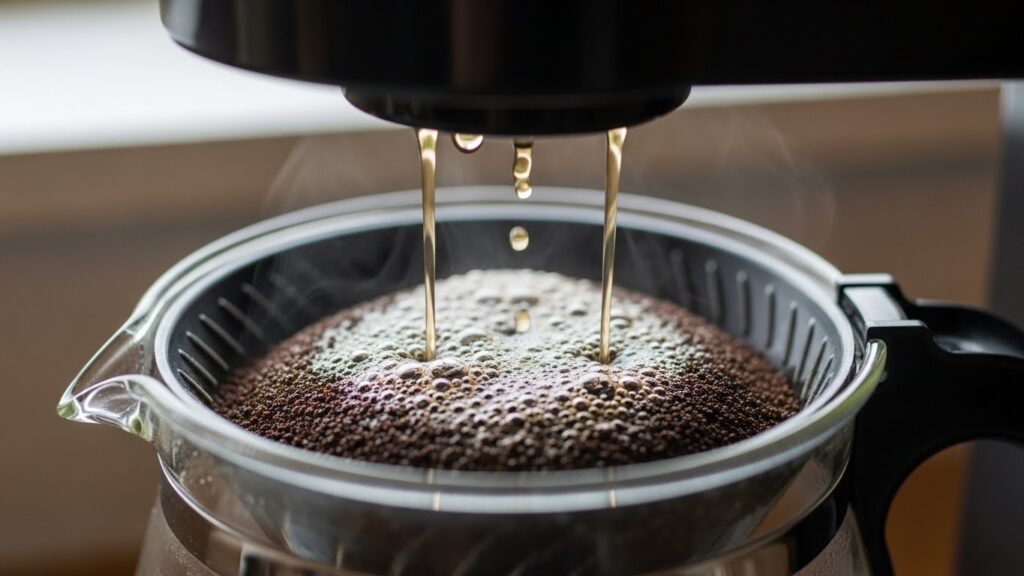
- Water drips instead of flowing steadily
- Uneven saturation of coffee grounds
- Weak or inconsistent coffee strength
2) What the Data and Manufacturer Manuals Show
Across Breville, Keurig, Cuisinart, Ninja, and Mr. Coffee documentation, these patterns are consistent:
- Scale formation: Calcium and magnesium deposits begin affecting flow after 40–60 brew cycles in hard-water areas.
- Normal brew time: Standard drip machines typically complete a cycle in 4–6 minutes for a full pot.
- Recommended descaling interval: Every 1–3 months, depending on water hardness and usage.
Why this matters: Even thin mineral layers can reduce internal tube diameter enough to slow heating and flow.
3) Step-by-Step Descaling and Fix Protocol (Data-Backed Order)
Safety note: Unplug the coffee maker and allow it to cool before cleaning.
Step 1 — Confirm water hardness and usage
Homes with hard water experience faster scale buildup. If brewing daily, descaling every 4–8 weeks is often necessary.
Step 2 — Run a descaling cycle
Use a manufacturer-approved descaling solution or citric acid-based cleaner. Run the solution through the brew cycle, then rinse with fresh water.
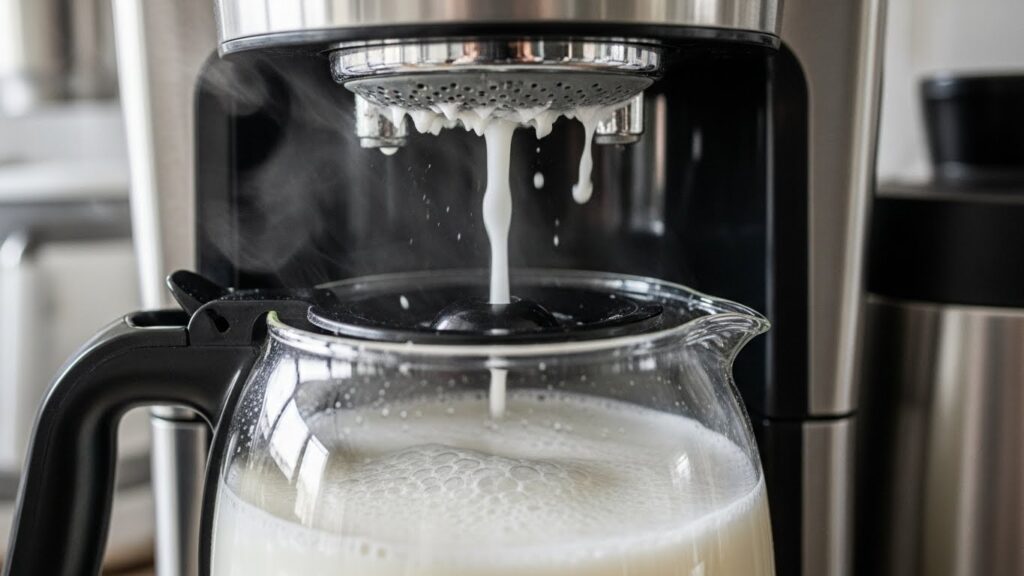
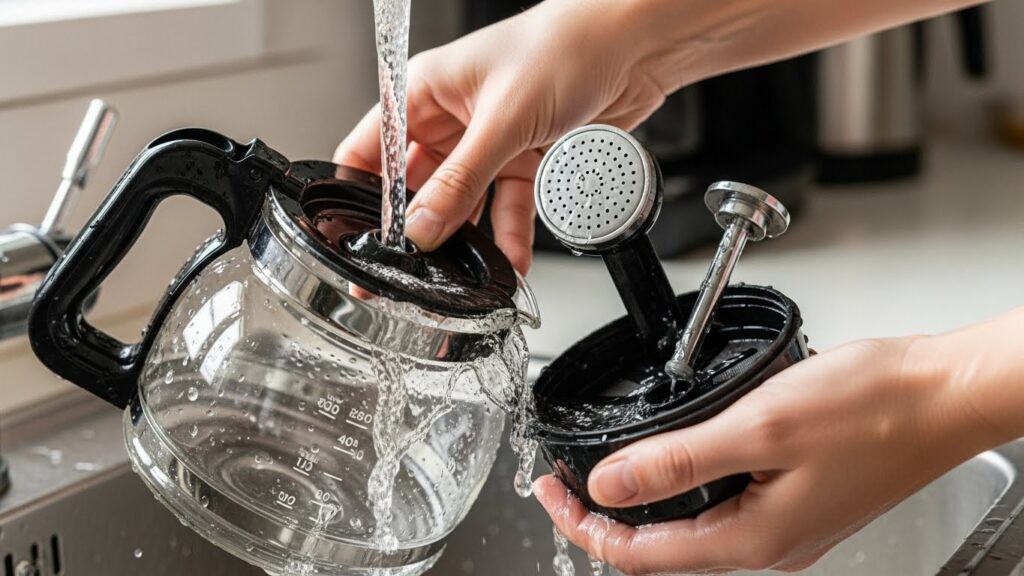
Step 3 — Clean the spray head and filter basket
Blocked spray holes cause uneven extraction and longer brew times. Remove and rinse thoroughly.
Step 4 — Rinse thoroughly
Run at least 2 full cycles of clean water to remove residual descaler.
Step 5 — Evaluate temperature performance
If brewing remains slow after descaling, temperature sensors or heating elements may require professional service.
4) Real Search Scenarios Explained
“Coffee maker brewing too slowly”
Most often caused by scale restricting internal water flow.
“New coffee maker brews slow”
Sometimes linked to factory residue or incorrect grind size.
“Keurig slow brew”
Needle and internal line scaling are common causes.
5) FAQ
How long should a normal brew cycle take?
Most drip coffee makers complete a full pot in 4–6 minutes.
How often should I descale my coffee maker?
Every 1–3 months, depending on water hardness and usage.
Does vinegar work for descaling?
Some manufacturers allow it, but citric acid-based cleaners are often preferred.
Can slow brewing affect coffee taste?
Yes. Inconsistent flow can lead to uneven extraction.
When should I replace the coffee maker?
If heating performance remains poor after descaling, replacement may be more cost-effective.
6) Safety Disclaimer
This guide is for general informational purposes only. Always follow manufacturer instructions when cleaning appliances.
7) References
- Breville — Coffee maker maintenance and descaling
- Cuisinart — Descaling recommendations
- Consumer Reports — Coffee maker performance and care
Related Guides on This Site

I publish step-by-step troubleshooting guides for common home appliance issues (washer, dryer, refrigerator, HVAC basics).
Content is written for everyday homeowners and cross-checked with manufacturer manuals, safety guidance, and trusted public resources.
Posts include practical checks, clear stop-signs for safety, and guidance on when it’s better to call a qualified technician. Updates are logged whenever steps or recommendations change.
Safety note: If you smell gas, see burning, or suspect electrical hazards—stop immediately and contact a qualified professional.