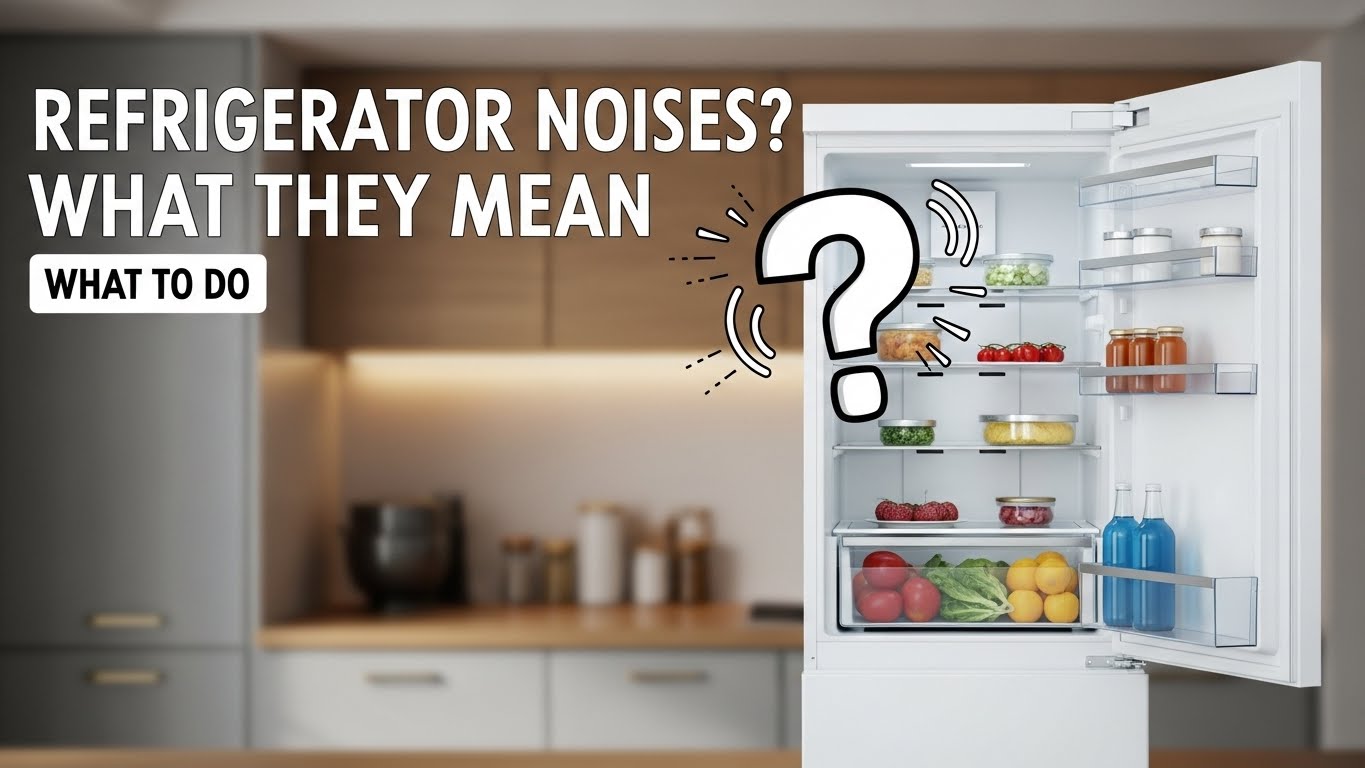
Why is my refrigerator making clicking or buzzing noises?
A refrigerator making clicking or buzzing noises is often normal operation (relay switching, fans starting, damper moving). But repeated clicking every 2–5 minutes, a buzz-then-stop pattern, or noise that comes with warming temperatures can signal airflow restrictions or a compressor start problem. Follow the checks below to separate normal sounds from real faults.
⚠️ Safety First: Unplug the refrigerator or turn off power at the breaker before inspecting fans, removing panels, or cleaning coils. Shut off the household water supply if you plan to move the unit or disturb any lines. Avoid moving blades and sharp metal edges. Warning: The compressor area and start relay can be extremely hot if the fridge has been repeatedly cycling.
Tools Needed
| Tool | Purpose |
|---|---|
| Flashlight | Locating the noise source |
| Vacuum + brush | Cleaning condenser area |
How Refrigerator Noises Should Sound
Last updated: 01, 2026
Modern refrigerators make more sounds than older models. Clicks, hums, and brief buzzes often come from control boards, relays, fans, dampers, and variable-speed compressors. The real goal is to distinguish normal operational noise from sounds that repeat in a pattern, grow louder, or happen alongside cooling problems.
Quick rule: A short click or buzz during startup is usually normal. Repeated clicking every few minutes is not.
Table of Contents
- 1) Normal Clicking and Buzzing Sounds
- 2) Sounds That Signal a Problem
- 3) Step-by-Step Noise Diagnosis
- 4) Preventing Future Noise Issues
- 5) FAQ
- 6) How This Guide Was Prepared
- 7) Important Safety Notice
- 8) References
1) Normal Clicking and Buzzing Sounds
These sounds are usually normal—especially if cooling performance is fine:
- Single click: relay switching the compressor on or off
- Low buzz or hum: compressor running (steady hum is expected)
- Short buzz after door close: fan startup or damper movement
- Cracking/popping: plastic parts expanding/contracting (thermal expansion)
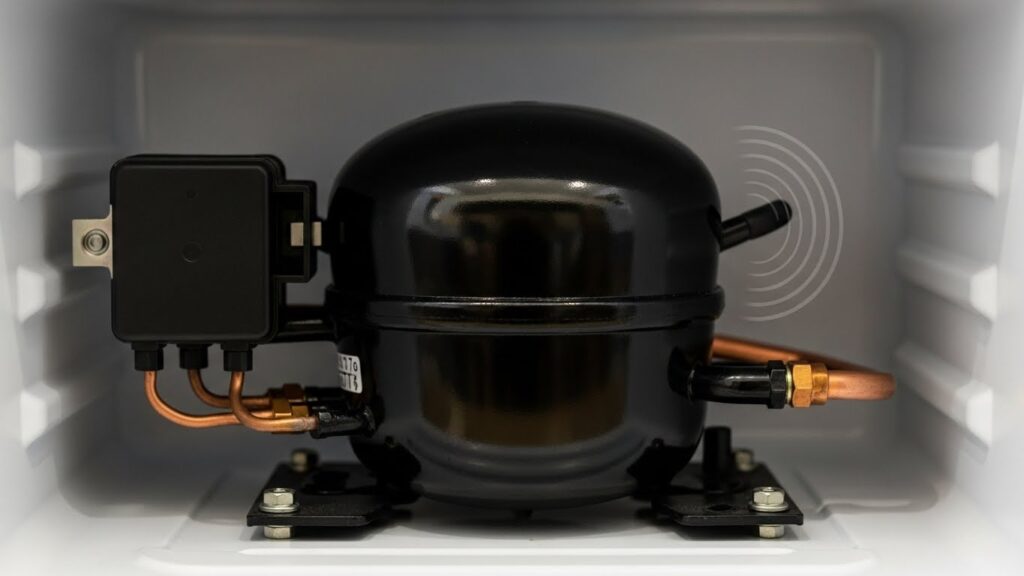
2) Sounds That Signal a Problem
These patterns are more concerning, especially if they repeat or if temperatures are rising:
- Repeated clicking every 2–5 minutes: compressor failing to start (often a start relay/overload cycle)
- Buzz → click → silence: overload protector tripping (compressor overheating or stuck)
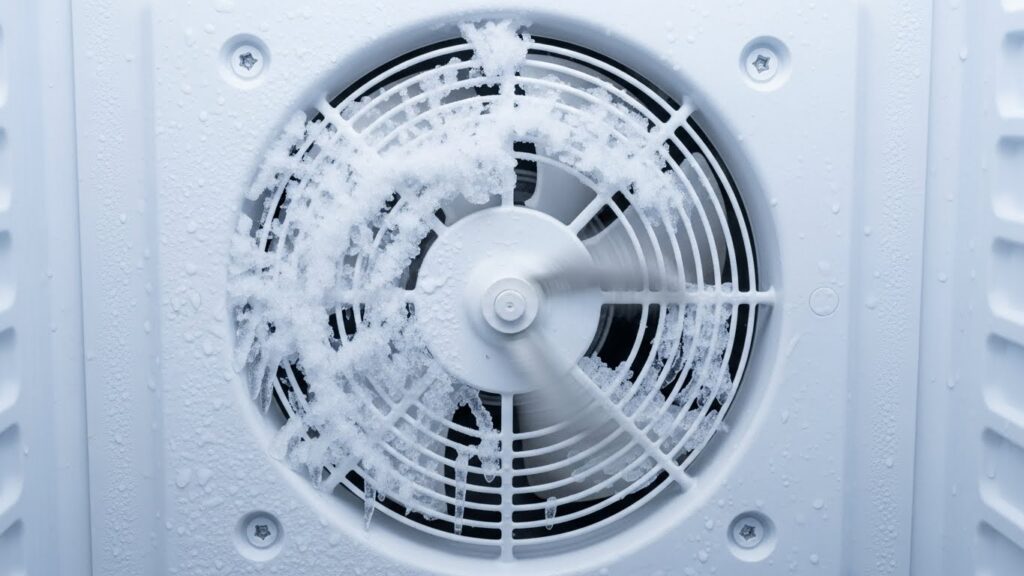
- Loud buzzing or rattling: fan blades hitting ice buildup or debris
- High-pitched squeal that persists: possible fan motor bearing wear
- Clicking + warming fridge/freezer: likely cooling failure developing
Why this matters: Ignoring a repeated click/buzz cycle can lead to full cooling loss and food safety issues.
3) Step-by-Step Noise Diagnosis
Step 1 — Identify the pattern (one-time vs repeating)
A single click during start/stop is normal. What matters is repetition: if you hear the same click every few minutes, treat it as a diagnostic clue, not “normal noise.”
Step 2 — Locate the source (bottom-back vs inside freezer)
Use a flashlight and listen carefully:
- Bottom-back area: compressor, start relay, condenser fan, condenser coils
- Inside freezer area: evaporator fan, ice buildup, air vents/damper sounds
A quick self-test: if the noise stops right when you open the freezer door, the evaporator fan area is a strong suspect.
Step 3 — Check for ice buildup near fans (common buzz/rattle cause)
Light frost can be normal, but thick ice around the fan shroud can cause buzzing, scraping, or rattling. If you suspect fan contact, don’t force blades—power off first.
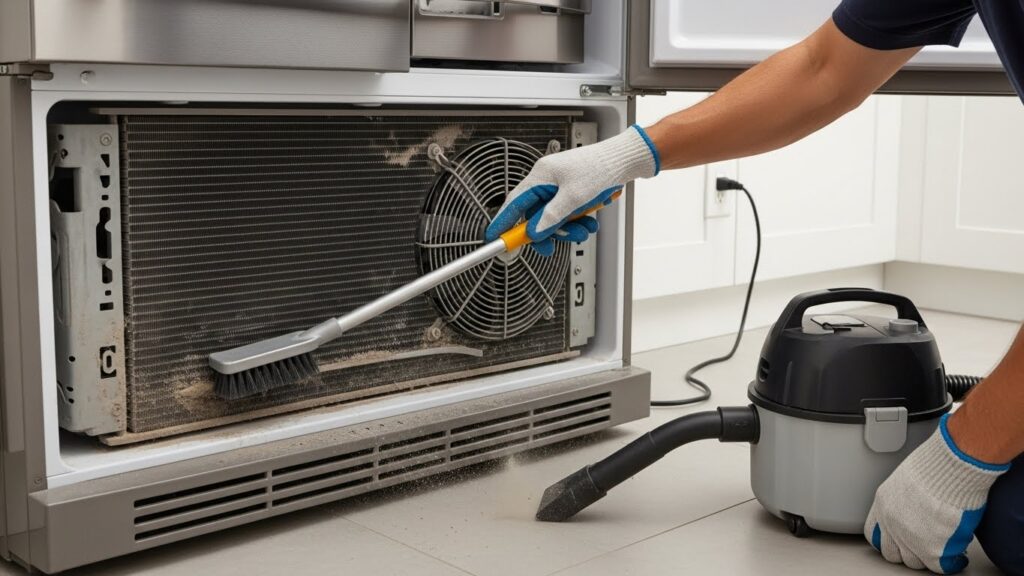
Step 4 — Clean condenser coils and confirm fan clearance
Dirty coils force longer run times and can make the fridge louder. Vacuum dust from coils underneath or behind the unit. Also check that no wires, insulation, or debris are touching the condenser fan blades.
Step 5 — Check leveling (vibration amplifier)
An unlevel refrigerator can turn normal humming into a loud vibration. Adjust front leveling legs so doors close naturally and the cabinet feels stable. A quick vibration test: lightly press the side panel—if the noise changes or stops, leveling/clearance is likely the issue.
Stop point: If you have a repeating click/buzz pattern and cooling performance is declining, compressor/start components should be tested by a qualified technician.
4) Preventing Future Noise Issues
- Vacuum condenser coils every 6–12 months
- Maintain at least ~2 inches of clearance behind the unit for airflow
- Don’t block interior vents (reduces airflow and can cause frost/fan noise)
- Address frost buildup early before it reaches fan areas
- Keep the unit level to reduce vibration amplification
5) FAQ
Is clicking always a bad sign?
No. Occasional clicking during normal cycling is expected. The red flag is repeated clicking in a short loop, especially if the fridge isn’t cooling well.
Why does my fridge buzz when it starts?
A brief buzz can be normal startup behavior (compressor engaging or airflow starting). If it’s loud and followed by a click and silence, it may be a start/overload cycle.
Can ice buildup cause buzzing?
Yes. Ice contacting fan blades is one of the most common sources of buzzing or rattling, especially inside the freezer.
When should I call a technician?
Call if the noise repeats frequently, gets louder, or comes with warming temperatures, spoiled food risk, burning smells, or if you’re uncomfortable accessing panels or cleaning coils safely.
6) How This Guide Was Prepared
This guide follows troubleshooting priorities emphasized in manufacturer support documentation and appliance service training materials, starting with user-safe, no-tools-or-minimal-tools checks before considering component testing.
7) Important Safety & Information Notice
This article is provided for general informational purposes only. Refrigerator servicing involves electrical components, hot compressor parts, and moving fan blades. If you are unsure or uncomfortable performing any of these steps, contact a qualified appliance technician. If you suspect electrical damage, burning smell, or repeated tripping, stop troubleshooting and seek professional help.
8) References
Related Guides on This Site

I publish step-by-step troubleshooting guides for common home appliance issues (washer, dryer, refrigerator, HVAC basics).
Content is written for everyday homeowners and cross-checked with manufacturer manuals, safety guidance, and trusted public resources.
Posts include practical checks, clear stop-signs for safety, and guidance on when it’s better to call a qualified technician. Updates are logged whenever steps or recommendations change.
Safety note: If you smell gas, see burning, or suspect electrical hazards—stop immediately and contact a qualified professional.