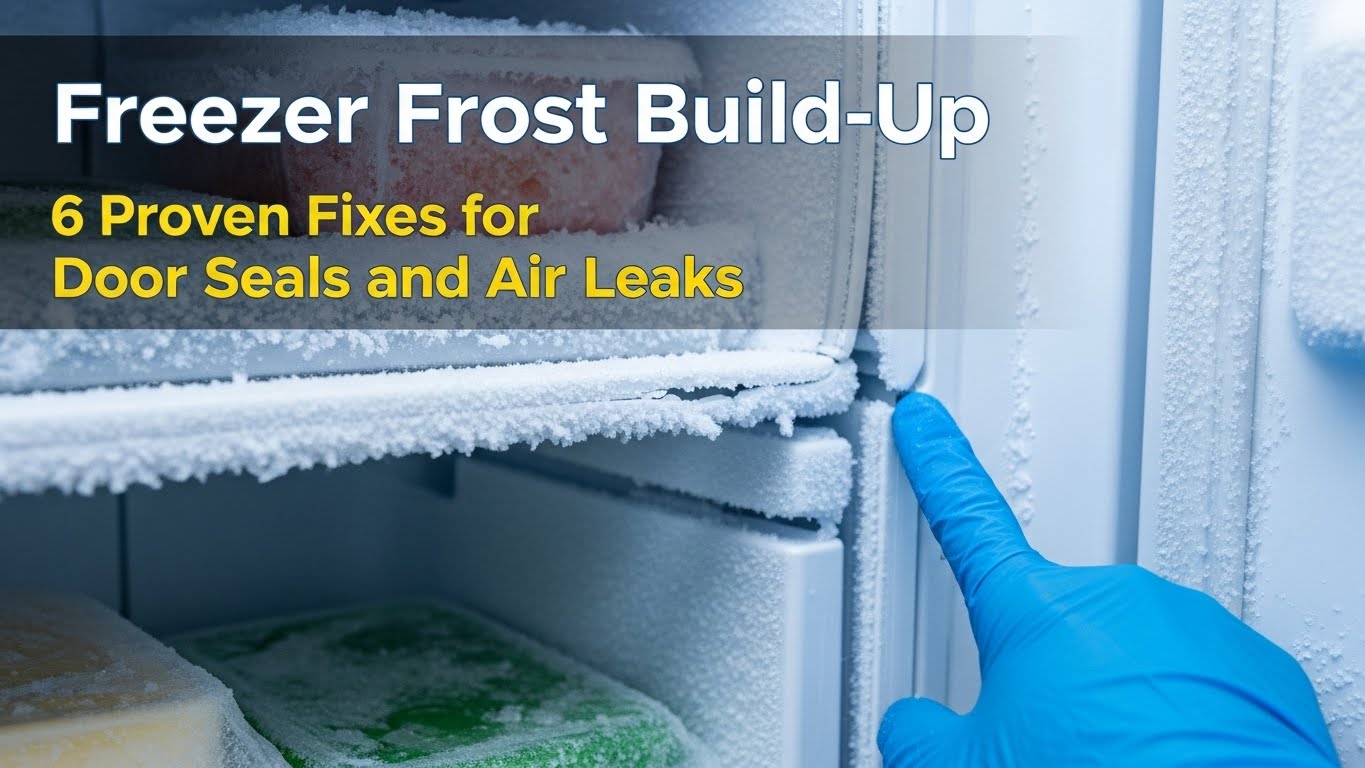
Why Freezer Frost Build-Up Happens (Door Seals, Air Leaks, and Moisture Intrusion)
Last updated: December 18, 2025
Freezer frost build-up problems usually point to warm, moist air entering the freezer through a poor door seal, small air leaks, or frequent door openings. While frost can look harmless at first, heavy buildup eventually blocks airflow and reduces freezing performance.
Fast answer: If frost keeps forming on freezer walls or vents, focus on door gasket sealing, air leaks, and moisture sources before assuming a defrost-system failure.
Table of Contents
- 1) Common Signs of Frost Build-Up
- 2) Why Freezers Develop Frost
- 3) Step-by-Step Fix Protocol
- 4) Real Search Scenarios Explained
- 5) FAQ
- 6) Safety Disclaimer
- 7) References
1) Common Signs of Freezer Frost Build-Up
- Thick frost on freezer walls or shelves
- Ice forming around air vents
- Door hard to close or sticking shut
- Freezer not freezing evenly
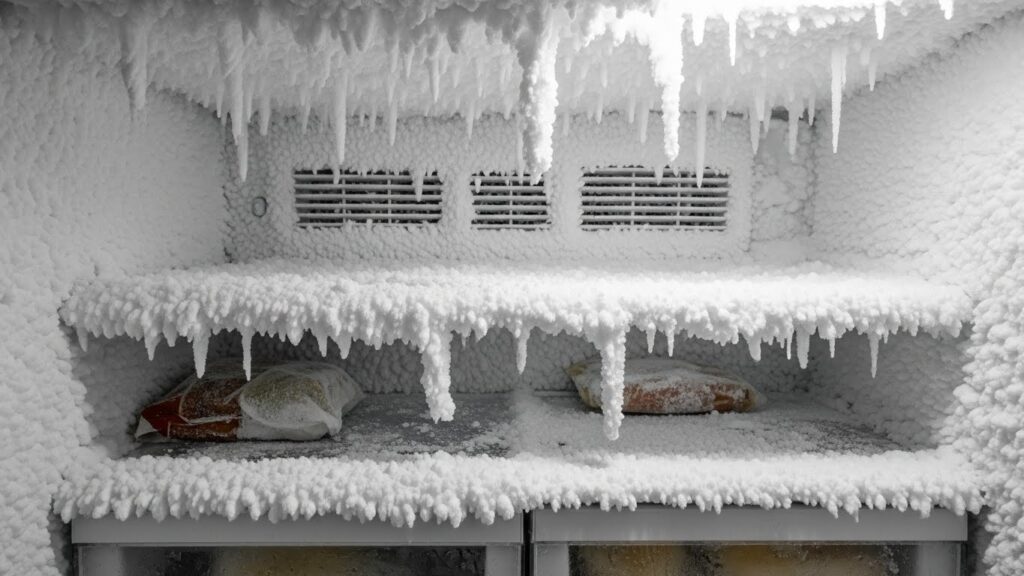
2) Why Freezers Develop Frost
Across brands like LG, Samsung, Whirlpool, GE, and Bosch, frost buildup most often comes from:
- Worn or dirty door gaskets letting warm air in
- Frequent or prolonged door openings
- Food packaging blocking door closure
- High indoor humidity
- Defrost airflow imbalance
Important: Frost caused by air leaks often appears unevenly, especially near door edges and vents.
3) Step-by-Step Fix Protocol (High-Probability First)
Safety note: Unplug the freezer or refrigerator before manual defrosting. Never chip ice with sharp tools.
Step 1 — Inspect and clean the door gasket
A dirty or warped gasket cannot seal properly. Clean it with mild soap and warm water, then dry completely.
Step 2 — Check door alignment and closure
Make sure the door closes evenly on all sides. Food packages or ice bins can prevent full closure and allow moisture in.
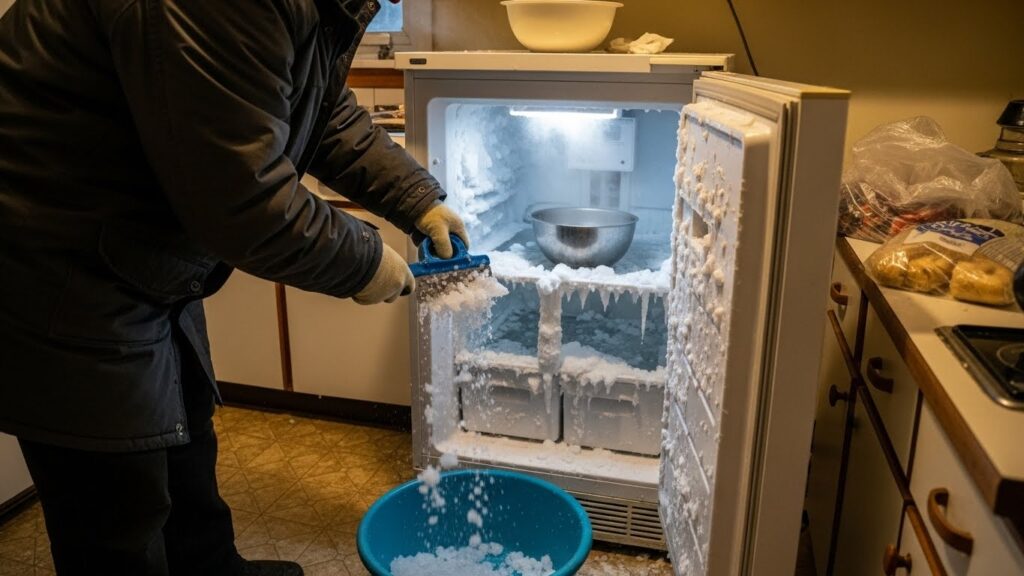
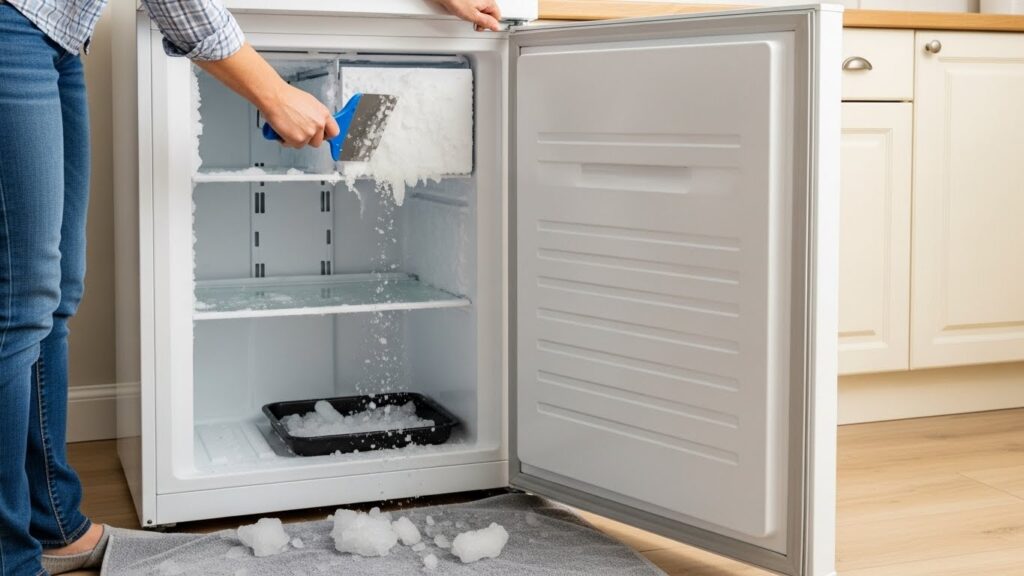
Step 3 — Perform a full manual defrost
If frost buildup is heavy, a complete defrost resets airflow:
- Move food to a cooler
- Unplug the unit
- Allow ice to melt naturally
- Dry interior surfaces before restarting
Step 4 — Reduce moisture exposure
Limit door openings and avoid placing hot or uncovered food directly into the freezer.
4) Real Search Scenarios Explained
“Freezer frost build-up on back wall”
Often linked to airflow restriction or gasket leaks near the door edge.
“Frost forming around freezer door”
Typically caused by a worn or dirty door seal allowing humid air inside.
“Freezer frosting up quickly”
Rapid frost usually indicates ongoing air leaks rather than a one-time event.
5) FAQ
Is freezer frost build-up normal?
Light frost can be normal, but heavy or recurring buildup usually indicates air leaks or moisture issues.
Can a bad door seal cause frost?
Yes. A compromised gasket allows warm, humid air to enter and freeze inside the freezer.
How often should I defrost a freezer?
Manual defrosting is needed when frost buildup interferes with airflow or storage space.
Does frost buildup affect energy use?
Yes. Frost blocks airflow, forcing the freezer to work harder and consume more energy.
When should I call a technician?
If frost returns quickly after gasket checks and defrosting, professional diagnosis is recommended.
6) Safety Disclaimer
This guide is for general informational purposes only. If you are not comfortable performing manual defrosting or inspecting door seals, contact a qualified technician. Always disconnect power before maintenance.
7) References
Related Guides on This Site
- Freezer Not Freezing Enough: Airflow and Frost Build-Up Fix
- Refrigerator Runs Constantly: Coils and Airflow Fixes
- Refrigerator Water Leaking on Floor: Drain and Gasket Issues

I publish step-by-step troubleshooting guides for common home appliance issues (washer, dryer, refrigerator, HVAC basics).
Content is written for everyday homeowners and cross-checked with manufacturer manuals, safety guidance, and trusted public resources.
Posts include practical checks, clear stop-signs for safety, and guidance on when it’s better to call a qualified technician. Updates are logged whenever steps or recommendations change.
Safety note: If you smell gas, see burning, or suspect electrical hazards—stop immediately and contact a qualified professional.